
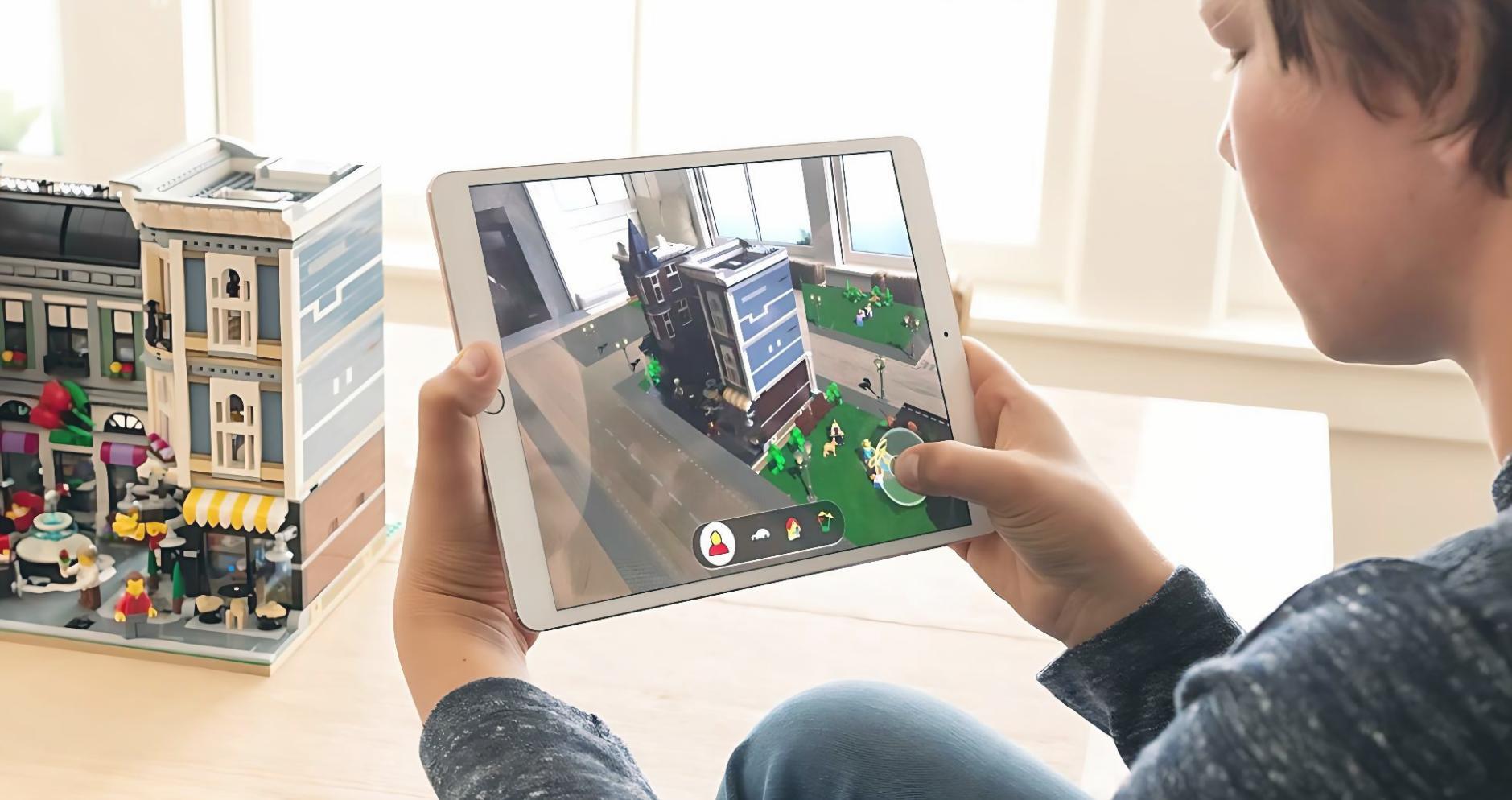
Building an AR or VR game that only works on one headset creates a problem. Your audience shrinks to whoever owns that specific device.
If you make a game for Meta Quest, people with PlayStation VR cannot play it. If you build for HoloLens, Quest owners are left out. Each platform has different controllers, tracking systems, and technical requirements.
Building Once, Deploying Everywhere
Cross-platform development means writing your game code in a way that adapts to different hardware. You use a game engine like Unity or Unreal that handles the translation between your code and each platform's specific needs.
The engine manages input differences. When someone uses hand controllers on Quest or gesture controls on HoloLens, your game recognizes both. The same applies to graphics rendering, spatial tracking, and performance optimization.
The Technical Bridge
Think of cross-platform tools as translators. You write instructions once in a common language. The engine converts those instructions into whatever language each device understands.
This approach requires planning. You design your game around features that work across platforms rather than exploiting unique capabilities of one device. A game built for room-scale VR needs adjustments for seated experiences or AR overlays.
Reaching More Players
When Ludvig Strigeus released his puzzle game across six VR platforms simultaneously, he reached 340,000 potential players instead of 60,000 on a single platform. That expansion happened because he structured his code to accommodate different input methods and performance levels from the start.
Cross-platform development takes more initial setup time but eliminates the need to rebuild your entire game for each new device you want to support.